
The Sleeper Train That Taught Me About Air
It was supposed to be a fun trip. Four of us, a six-hour sleeper train across the province, tickets booked weeks in advance. We’d planned everything—snacks, playlists, a deck of cards. The excitement of a weekend away with old friends. The kind of trip you look forward to for months.
We boarded at 9 PM, found our cabin, and settled in. The space was small—two bunks on each side, a narrow aisle, a sliding door that sealed shut with a satisfying click. Cozy, we thought. Perfect for catching up before we crashed.
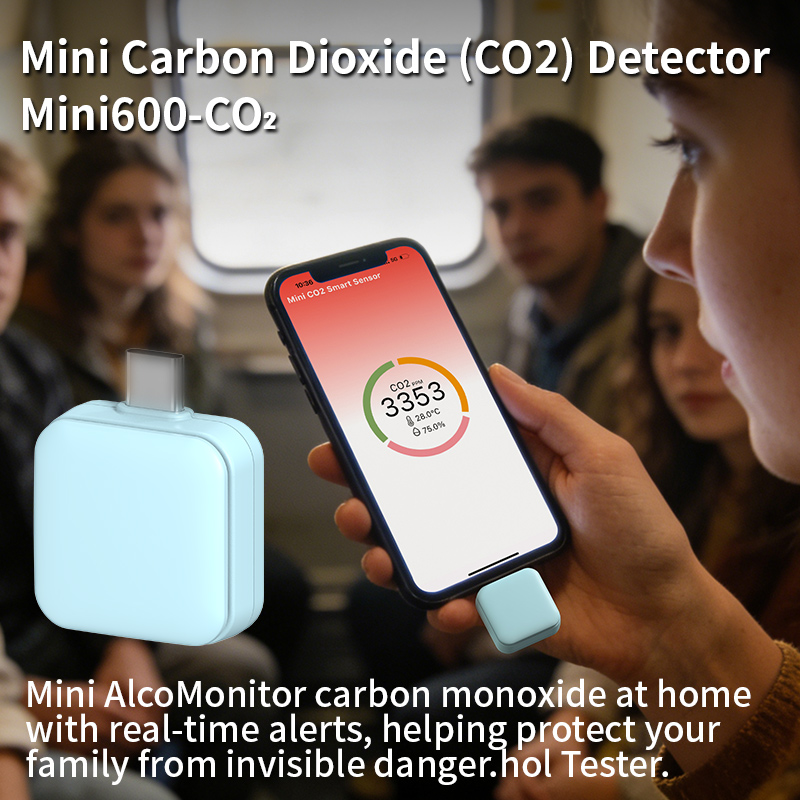
The first hour was great. We laughed, passed around chips, told stories. The train hummed along, the cabin warm, the door closed to keep out hallway noise.
Around 10:30, I started feeling it. A dull pressure behind my eyes. Slight headache. Nothing sharp, just a heavy, tired fog that didn’t match my excitement.
“Anyone else feeling weird?” I asked.
My friend Mark rubbed his forehead. “Yeah, actually. Thought I was just tired.”
Jen yawned. “Same. Maybe it’s the motion of the train?”
I wasn’t convinced. I’ve taken trains before. This felt different. My body was telling me something was off.
Then I remembered the small device in my bag. I’d been testing it at home for weeks—my CO₂ monitor, the one I’d bought after reading about indoor air quality. I’d brought it out of habit, not expecting to use it on a train.
I pulled it out and set it on the little fold-down table. The number on the screen made me sit up straight.
1,850 ppm.
I looked around the cabin. Four people. Door closed. No windows. No ventilation. We’d been breathing the same stale air for over an hour, recycling every exhale.
“That’s high,” I said, showing the others. “We’ve basically been marinating in our own CO₂.”
Jen blinked. “Wait, is that bad?”
“Not dangerous at this level,” I explained. “But it explains why we all feel foggy. Your brain needs oxygen to think clearly. When CO₂ builds up, concentration drops, headaches start, you feel tired.”
Mark stood up. “Okay, let’s crack the door open.”
We slid the cabin door a few inches, enough to let the hallway air circulate. The train’s ventilation wasn’t great, but the difference was immediate. Within ten minutes, I watched the number on the monitor slowly drop. 1,600. 1,400. 1,200.
By the time we reached our stop, the cabin air was back around 900 ppm. Not perfect, but way better. The headache was gone. The fog had lifted. We stepped off the train feeling like ourselves again.
The weekend itself was great—beer, hikes, that weird local restaurant we still talk about. But the train ride stuck with me more than I expected. That little device had done something I hadn’t anticipated: it gave us back control. Instead of just feeling bad and guessing why, we saw the problem and fixed it.
Now I don’t travel without it. I’ve used it in hotel rooms, rental cars, even a friend’s packed living room during a party. Every time, I learn something. Every time, I make a small adjustment that changes how I feel.
That train trip taught me something simple: your body is always telling you something about your environment. Sometimes you just need a device to translate.


